Property Today

Property News

  • Published Date: 25 September 2007
A country property might seem idyllic, but there are downsides compared to city living.

Could you swap city life for a country property?

If you've spent your whole life living in a large town or city, would you be better off by moving to a country property?

A recent survey claimed that people who live in the countryside live longer than city dwellers. You could certainly believe that might be true, as the air seems fresher and the pace of a life a little slower.

But if you're used to a certain way of life, how easy is it to actually make the switch?

There are certainly huge benefits, especially when it comes to buying property.

The budget you'd spend on a two bedroomed house in the city might buy you a three bedroomed country property with a larger garden.

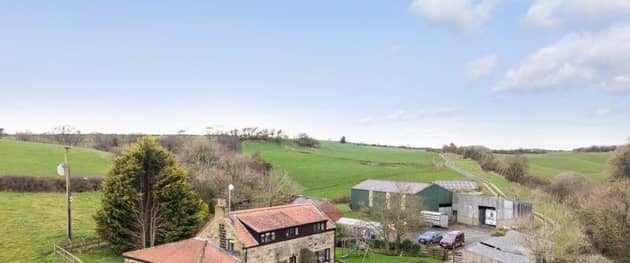
In some areas the scenery may be better, and certainly many villages benefit from being surrounded by acres of beautiful fields. The pace of life seems slower, which is great for unwinding.

There can be more of a community feel in the country. Once you've been accepted into a village or neighbourhood, you can be made to feel very welcome and part of something.

Another benefit of a country property is crime rates. In some areas they are lower than nearby bigger towns and cities (although don't be fooled that you can leave your door unlocked all day – those days are long gone everywhere).

Your children may benefit from a move out of the city. Some schools in country areas are less crowded, and if it's a nice area, may attract talented teachers who are looking for a higher quality of life.

This all sounds idyllic, doesn't it? But it's time for a reality check, and some of the restrictions of owning a country property.

The biggest downside is how far you might have to travel to get anywhere, and how you do that. In a city most things are on your doorstep. And if you do need to travel there is normally a well established transport network.

In villages, you may have to jump in the car just to get a pint of milk. You soon find yourself having to plan ahead all of the time to avoid unnecessary trips. It can be hard finding everything you need – for example, some areas no longer have bookshops or video stores. While the internet can fill this gap, it's not ideal if you fancy a spontaneous bit of entertainment.

And while there are bus services in most areas, it can take you ages to get anywhere. The very nature of rural bus transport will see a bus stop in every location on its route, stretching what could be a 20 minute nip between towns into a one hour slog.

Railway stations are found in few village locations; where they are present they tend to have few facilities and a restricted timetable.

Your children may benefit from the less crowded school near your country property, but the rest of the time they could be bored. Rural areas can be very dull for children to grow up in, especially if they are used to the excitement of city life.

You may find yourself playing taxi more often as they want to visit leisure facilities in nearby towns. And when your kids hit 17, they're going to want their own set of wheels a lot more quickly than they might do in the city.

All in, country living may look attractive when you're in a busy city, but there are as many downsides as there are advantages. You need to balance the benefits against the effect on your family's lifestyle before you consider a move.
Last Updated: 25 September 2007 08:42 AM
Page 1 of 1


News in Brief